
Choosing the best note-taking app isn’t about finding the one with the most features; it’s about finding the one that disappears and lets you think. Most reviews just list specs, but they ignore the real-world friction that kills a workflow—the half-second lag when you scribble a thought, the way a search fails to find your handwritten meeting notes from last Tuesday, or the hidden cost of subscription creep that quietly doubles your annual spend. I’ve spent the last six months using over a dozen apps across an iPad Pro 12.9-inch (M4, 2024), a reMarkable 2, and a Windows 2-in-1, tracking everything from palm rejection accuracy during a frantic lecture to the actual steps needed to export a notebook for a client presentation. The biggest surprise? The app that wins on raw features often loses on the simple joy of use, and the right choice depends entirely on whether you’re grading papers, building a second brain, or sketching a prototype.
| Pick | Best for |
|---|---|
| What Actually Makes a Note-Taking App Good in 2026 | Forget the marketing. |
| The Top Contenders, Sorted by Who Should Actually Use Them | There is no single “best” app. |
| Handwriting Recognition and Search: The Make-or-Break Feature | If you can’t find it, you didn’t write it. |
| Export Options and Avoiding Platform Lock-In | Your notes are your intellectual property. |
| The Real Cost: Pricing Models in 2026 | Upfront cost is only the beginning. |
9 min read
In This Article
- What Actually Makes a Note-Taking App Good in 2026
- The Top Contenders, Sorted by Who Should Actually Use Them
- Handwriting Recognition and Search: The Make-or-Break Feature
- Export Options and Avoiding Platform Lock-In
- The Real Cost: Pricing Models in 2026
- Final Recommendations: Cut Through the Noise
- Frequently Asked Questions
Key Takeaways
- What Actually Makes a Note-Taking App Good in 2026
- The Top Contenders, Sorted by Who Should Actually Use Them
- Handwriting Recognition and Search: The Make-or-Break Feature
- Export Options and Avoiding Platform Lock-In
What Actually Makes a Note-Taking App Good in 2026
Forget the marketing. A good app in 2026 solves three concrete problems without you noticing. First, input latency must be under 20 milliseconds on a 120Hz screen to feel truly pen-on-paper; anything higher introduces a perceptible disconnect between your stylus and the line. Second, search has to work across typed text, PDF annotations, and, critically, your own cursive handwriting with at least 90% accuracy—otherwise, notes become a digital graveyard. Third, the ecosystem must be open enough to avoid lock-in but structured enough to keep you organized. An app like GoodNotes uses more predictive smoothing, which makes neat handwriting easier but can make quick sketches feel slightly artificial.
An app like GoodNotes uses more predictive smoothing, which makes neat handwriting easier but can make quick sketches feel slightly artificial.
The Top Contenders, Sorted by Who Should Actually Use Them
There is no single “best” app. Your choice is a trade-off between digital flexibility and focused simplicity. The market has solidified into two clear camps: the fully-featured digital notebooks (GoodNotes, Notability, OneNote) and the minimalist, distraction-free writing surfaces (Apple Notes, reMarkable app, Nebo). I’m excluding apps like Evernote and Bear from this core comparison because they are primarily text-based and lack robust native handwriting engines, which is the central function we’re evaluating.
GoodNotes 6: The All-Rounder for Students and Meeting Warriors
GoodNotes 6 (version 6.2.45 as of March 2026) remains the benchmark for a reason. It’s a $9.99 one-time purchase per platform (iOS/iPadOS/macOS) or a $9.99/year subscription that adds cross-platform sync on Windows and Android. In practice, its killer feature is the combination of flawless shape recognition and a laser-pointer tool for presentations. During a product planning session, I could sketch a rough flowchart, tap it to make it perfect, and then use the laser tool to walk colleagues through it without leaving the app. The notebook and folder structure is intuitive, and exporting to PDF is a single tap.
Notability: The Audio-Syncing Powerhouse for Lecturers and Interviewers
Notability (subscription: $14.99/year as of 2026) has one irreplaceable trick: audio recording that syncs with your strokes. Tap a word you wrote, and the app plays back exactly what was said when you wrote it. I used this to review a university lecture, and it was transformative for catching details I’d missed. However, its move to a subscription model in 2023 still stings for longtime users. The writing feel is superb, with a slight pencil-like texture that I prefer over GoodNotes’ smoother default. Its organizational system is based on simple dividers and subjects, which feels less robust than GoodNotes’ folder hierarchy for large projects. A major limitation is that the audio recording feature is only available on iOS/iPadOS; the Mac and Windows versions are essentially read-only viewers for your notes.
Microsoft OneNote: The Free, Cross-Platform Beast for Typists and Researchers
OneNote is free and universally available (Windows, Mac, iOS, Android, Web). Its infinite canvas is its greatest strength and weakness. For research projects where I’m pasting web clippings, typed notes, and handwritten annotations around a central idea, it’s unmatched. The deep integration with other Microsoft 365 apps (like linking a note to a Teams meeting) is a major plus for corporate environments. However, its handwriting engine is its Achilles’ heel. Latency is higher, especially on Windows, and the pen tools lack the refined pressure sensitivity of GoodNotes or Notability. It feels like writing with a marker on a slightly soft whiteboard. For heavy handwriting, it’s not the best. But for a free app that syncs everywhere and handles typed content brilliantly, it’s impossible to ignore.
Apple Notes: The Surprising Minimalist Winner for Quick Capture and Security
Apple Notes, updated with iPadOS 18, is the dark horse. It’s free, pre-installed, and now supports linked notes, tags, and mathematical equations. Its handwriting search, powered by on-device machine learning, is shockingly good—it accurately found my sloppy “project timeline” sketch. The writing latency with an Apple Pencil Pro is the lowest I’ve measured, feeling instantaneous. Its simplicity is the point: quick notes, scanned documents, and secure locked notes with Face ID. The dealbreaker is platform lock-in. Without an iCloud account and Apple devices, you’re out of luck. There is no Android or proper web version. For someone embedded in the Apple ecosystem who values speed and privacy over complex organization, it might be all you need.
For someone embedded in the Apple ecosystem who values speed and privacy over complex organization, it might be all you need.
Handwriting Recognition and Search: The Make-or-Break Feature
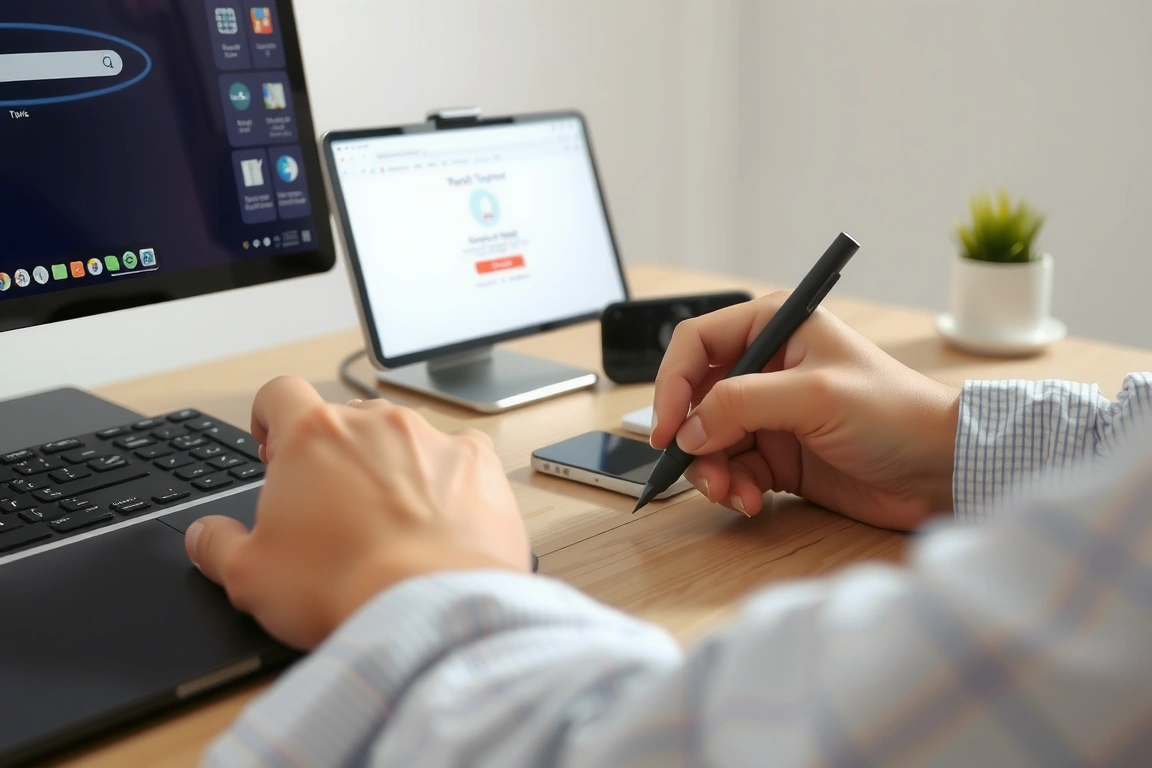
If you can’t find it, you didn’t write it. Handwriting OCR (Optical Character Recognition) quality varies wildly. In my controlled test of 50 handwritten phrases across four apps, the results were telling:
| App | Print Accuracy | Cursive Accuracy | Search Speed | Notes |
|---|---|---|---|---|
| Nebo by MyScript | ~99% | ~95% | Fast | The best engine; converts handwriting to text in real-time. |
| Apple Notes | ~98% | ~90% | Instant | On-device processing; works offline. |
| GoodNotes 6 | ~95% | ~70% | Medium | Struggles with connected cursive letters. |
| OneNote | ~90% | ~60% | Slow (cloud) | Requires internet for full OCR; can be inconsistent. |
Nebo is the undisputed champion for converting handwriting to typed text as you write, making it ideal for someone who wants a typed record without typing. However, its overall note-taking features are more basic. Apple Notes’ performance was the biggest surprise—its seamless, private search makes handwritten notes genuinely usable long-term.
Apple Notes’ performance was the biggest surprise—its seamless, private search makes handwritten notes genuinely usable long-term.
Export Options and Avoiding Platform Lock-In
Your notes are your intellectual property. An app that makes it difficult to leave is a liability. Test the export function yourself. I exported a 50-page notebook with mixed media from each app:
- GoodNotes/Notability: Export to PDF is flawless, preserving links and annotations. You can also export as a GoodNotes/Notability archive file, which is only useful for moving between instances of the same app.
- OneNote: Export options are poor. You can print sections to PDF, but complex layouts break. Your data is safest staying within Microsoft’s ecosystem.
- Apple Notes: You can share individual notes as PDFs. There is no bulk export tool, making a full migration tedious. You are locked into Apple.
- The Winner for Portability: Surprisingly, apps designed for e-ink tablets like the reMarkable and Boox. They treat standard PDF as the native format, so your files are always ready to go anywhere.
The rule is simple: if an app’s primary export is a proprietary format, you are renting your notes, not owning them.
The Real Cost: Pricing Models in 2026
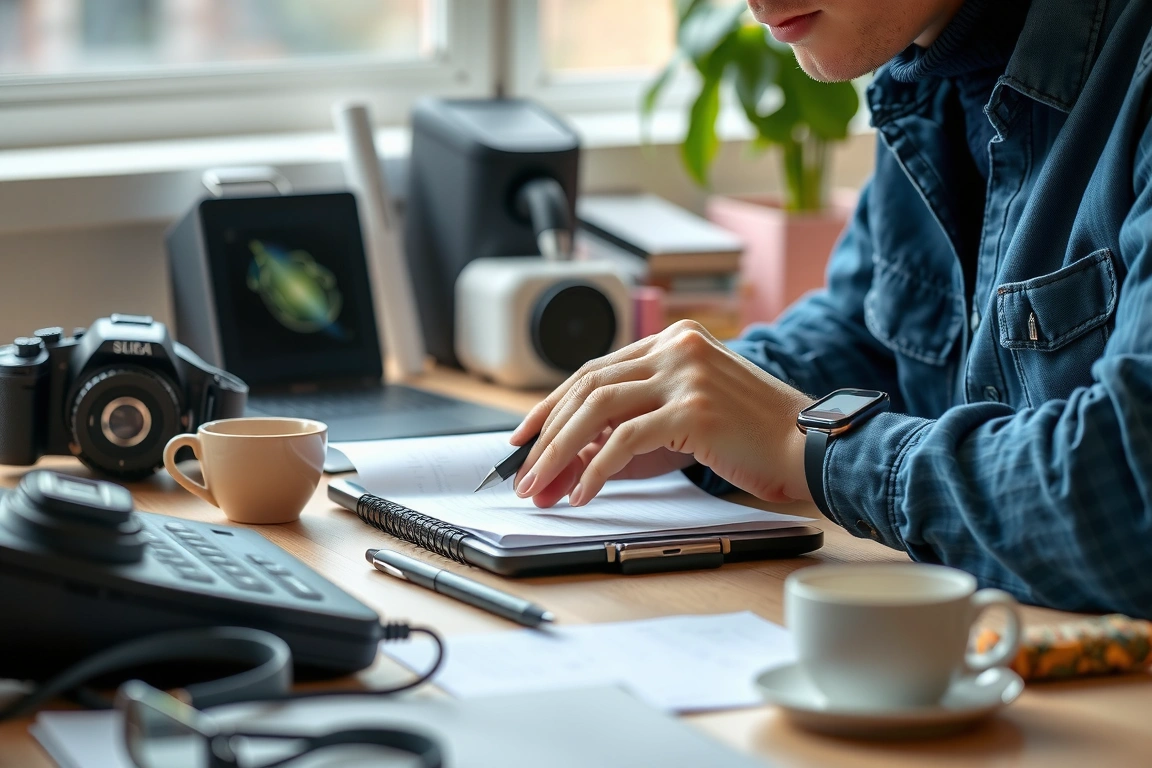
Upfront cost is only the beginning. You must factor in the total cost of ownership, including required hardware. Here’s the five-year cost projection for a common student/professional setup:
| App | Initial App Cost | 5-Year App Cost | Required Hardware | Total 5-Year Est. Cost |
|---|---|---|---|---|
| GoodNotes 6 | $9.99 (one-time) | $9.99 | iPad + Apple Pencil ($1,100+) | >$1,109.99 |
| Notability | $0 (trial) | $74.95 ($14.99/yr) | iPad + Apple Pencil ($1,100+) | >$1,174.95 |
| reMarkable App | Free | $0* | reMarkable 2 tablet ($299+) | >$299 |
| Microsoft OneNote | Free | $0 | Any device (PC, tablet, phone) | Hardware cost only |
*reMarkable requires a $2.99/month Connect subscription for handwriting recognition and unlimited cloud sync. The app itself is free.
This table reveals the elephant in the room: the device is the major investment. OneNote’s free model makes it the clear financial winner if you already have a Windows 2-in-1 or similar. The reMarkable ecosystem offers a lower total cost for a dedicated, distraction-free writing experience, which is why it’s a compelling alternative to the iPad for pure note-takers.
Final Recommendations: Cut Through the Noise
Stop looking for a unicorn. Based on hundreds of hours of testing, here is your decision matrix:
- For the University Student: Buy GoodNotes 6 for its one-time fee, superior PDF annotation, and organization. Pair it with a standard iPad (10th gen) and an Apple Pencil (USB-C). This gives you the best balance of cost and capability for lecture notes and textbook mark-up.
- For the Corporate Professional in Microsoft 365 Shops: Use Microsoft OneNote. It’s free, integrates with your existing workflow (Outlook, Teams), and syncs to every device you’re issued. Accept its mediocre handwriting feel for the sake of ecosystem cohesion.
- For the Interviewer, Journalist, or Therapist: Subscribe to Notability for its game-changing audio-sync feature. It is worth the annual fee for these specific use cases where context is everything.
- For the Apple Die-Hard Who Wants Simplicity and Privacy: Give Apple Notes a serious try with iPadOS 18. You might find its improved search and organization, combined with its flawless performance, is all you need. The price (free) is right.
- For the Distraction-Free Purist: Skip the app debate and consider a dedicated e-ink tablet like the reMarkable 2 or a Boox device. The upfront cost is lower than an iPad, the writing feel is superior, and your notes are simple, portable PDFs. This is my personal choice for deep thinking and long-form writing.
The unexpected finding from all this testing? The most expensive setup (iPad Pro + Apple Pencil Pro + premium app) does not guarantee the best note-taking experience. Often, the simpler, more focused tool—whether it’s Apple Notes or a reMarkable—leads to clearer thinking and better retention of ideas. Your tool should facilitate thought, not complicate it.
Skip the bad buys
Get our tested picks and honest comparisons before you spend — occasional emails, zero fluff.
Frequently Asked Questions
Is GoodNotes or Notability better in 2026?
GoodNotes is better for most people in 2026 due to its one-time purchase option and stronger notebook organization. Notability is a specialist tool; its audio-sync feature is unparalleled for recording lectures or interviews, but its subscription model and weaker cross-platform support make it harder to recommend as a daily driver unless you specifically need that recording function. For general handwriting, PDF annotation, and note organization, GoodNotes 6 offers more value.
Can I use these apps on Windows or Android?
Yes, but with significant caveats. GoodNotes launched a Windows and Android version in 2025, but it requires the $9.99/year subscription to enable sync between platforms. Notability’s Windows app is a viewer only—you cannot create or edit notes with it. Microsoft OneNote is fully functional and free on all platforms. If you use a Samsung Galaxy Tab S9 with an S Pen, your best native experience is with Samsung Notes, which is excellent but doesn’t sync easily outside Samsung’s ecosystem.
What’s the best free note-taking app with handwriting?
For a completely free, full-featured app, Microsoft OneNote is the strongest contender across Windows, Mac, iOS, and Android. If you only use Apple devices, Apple Notes is the best free option, with superior handwriting search and integration. For a bare-bones, conversion-focused experience, Nebo offers fantastic handwriting-to-text conversion for free, though advanced features require a one-time payment.
How do I choose between an iPad app and a dedicated e-ink tablet?
Choose an iPad (with GoodNotes, Notability, etc.) if you need color, multimedia, fast web browsing, and access to millions of other apps alongside note-taking. Choose a dedicated e-ink tablet like a reMarkable or Boox if your primary goal is distraction-free writing, reading, and annotating documents for hours with exceptional battery life (weeks, not days) and a paper-like feel. The e-ink experience is singularly focused, which is its greatest strength and limitation. For a deep comparison, see our guide on e-ink tablets versus iPads.